

A flaking, peeling deck is one of the most common jobs we get called out to across Melbourne. More often than not, the homeowner has already tried to fix it. They’ve given it a light sand or a quick scrub, rolled on another coat of a film-building oil, and watched it start lifting again within a season or two.
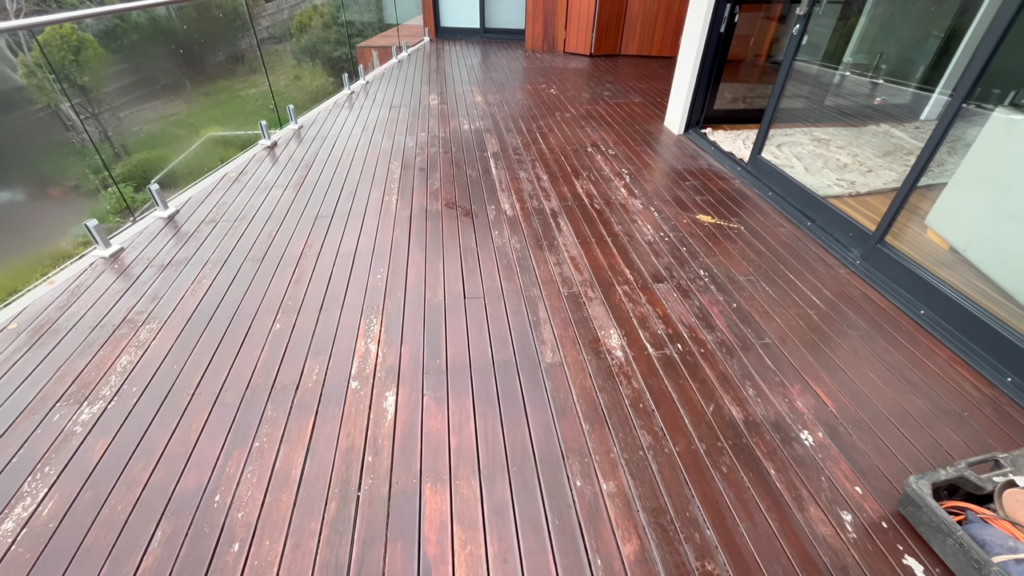
That’s exactly where this Merbau deck was when we first saw it. The owner had tried to restore it themselves, but years of oil layered over timber that was never properly sanded back had left the whole surface cracking, flaking and peeling.
The short answer:
Decks flake and peel when a film-forming oil, paint or solid stain loses its grip on the timber, usually because it was applied over a surface that wasn’t properly prepared. The fix is to sand the deck back to bare timber and finish it with a penetrating oil that soaks into the wood rather than sitting on top of it.
Here’s why it happens, how we brought this deck back, and what you can do to make sure yours doesn’t end up the same way.
Why Outdoor Decks Flake and Peel
Nearly every flaking deck we’re called to has one thing in common: a film-forming coating. Varnish, paint and solid stains all protect timber by forming a layer on top of it. That works well on an indoor floor, but outside, that layer has a lot working against it.
Timber moves, and the coating can’t keep up
Timber takes on moisture and swells in wet weather, then shrinks again as it dries out. A deck in Melbourne goes through that cycle constantly, and a film sitting on top can only stretch so far before it cracks. Once it does, water gets underneath the coating with no way to escape, and the coating starts lifting away from the boards.
The sun breaks it down
UV exposure degrades a coating, leaving it dry and brittle. Decks that face north or cop the full afternoon sun tend to show it first, and a brittle coating cracks much faster when the timber underneath starts to move.
It went over a poorly prepared surface
A coating is only as good as the surface it’s bonded to. Varnish rolled over greyed-off timber, dirt, or an old finish that’s already starting to fail has nothing solid to grip, so it lets go far sooner than it should.
Coats have been layered on top of each other
This is what happened to the deck in our video. Each new coat of oil went on over the last one without sanding back the old coating first. Every layer is only as strong as the one underneath it, so when the bottom layer fails, it takes everything above it along with it. The more layers there are, the more there is to come away, and the more work it takes to get it all off.
Why another coat won’t fix it
It’s tempting to give a peeling deck a quick sand and another coat, but that only adds a fresh layer to a base that’s already failing. Within a season or two, you’re back where you started with even more coating to remove. Once a film has started to lift, the only lasting fix is to take it all the way back to bare timber.
See the Process in Action
Watch our team take this deck from flaking and peeling back to bare timber, then oiled and finished.
Won’t load? Watch the full deck restoration here
How We Restored This Deck
Here’s the process we followed to strip this deck back and give it a finish that won’t peel.
Step 1: Strip the old coating at 40 grit
We started with our big sanding machine and a coarse 40 grit paper.
On a deck with years of built-up oil, a coarse grit is what cuts through the coating and gets back to clean timber without endless passes. We sand with the grain along the length of the boards and keep the machine moving, so it doesn’t leave dips or gouges in the deck.
Step 2: Get into the edges and corners
A big machine can’t get right up against walls, posts or the edges of the boards. We go around the perimeter with an orbital sander, then use a hand scraper for the very edges and corners where nothing else will fit.
It’s slow, detailed work, but it’s the difference between an even finish and a deck with a ring of old varnish left around the outside.
Step 3: Second sand at 60 grit
With the old coating gone, we went over the whole deck again at 60 grit. This takes out the deeper scratches left by the 40 grit and leaves an even surface for the oil to soak into. Any unevenness in the sanding will show up as patchy colour once the oil goes on.
Step 4: Vacuum thoroughly
Sanding dust settles everywhere, and plenty of it ends up in the gaps between the boards. Any dust left behind gets picked up by the oil and dried into the finish, so we blow and vacuum the entire deck, gaps included, before any oil goes near it.
Step 5: Two coats of WOCA Exterior Wood Oil
We finished the deck with two coats of WOCA Exterior Wood Oil.
Unlike varnish, it penetrates the timber and hardens within the wood fibres rather than forming a film on top. With nothing sitting on the surface, there’s nothing to crack and lift. Two coats give the Merbau solid protection against moisture and UV, and bring its rich red-brown colour back up.

Restore It Yourself or Call in the Pros?
A deck like this can be done yourself, and plenty of people give it a go. Sanders are available to hire, and there’s nothing secret about the steps above. There are a few things worth knowing before you commit, though.
A big sanding machine is heavy and unforgiving. Stop in one spot for a second too long, and it’ll leave a dip in the board that you can only fix by sanding deeper. The edges and corners also take far longer than most people expect, and it’s usually where DIY jobs we’re called in to fix have fallen down.
Then there’s the size of the job. Sanding 41m² of layered varnish is a long, physically demanding day (or two), and old coatings clog sandpaper quickly, so you’ll go through more of it than you’d think. If any of the old coating is left behind, the new oil won’t soak in evenly and the deck will start to look patchy, which is the same trap this deck’s owner fell into the first time around.
When you bring Quicksand Flooring in, you get the right machines, more than 25 years of experience knowing how far to take each sand, and a finish chosen to suit your timber.
How to Stop Your Deck Peeling Again
Once a deck has been sanded back and oiled, keeping it that way is straightforward.
- Stick with a penetrating oil. Going back to a film-building oil, paint or a solid stain outdoors puts you on the path back to a peeling deck. A penetrating oil never builds up into a layer, so you never need to strip it back.
- Keep it clean. Sweep regularly, since leaves and dirt left sitting on the boards hold moisture against the timber. Give the deck a proper clean before each maintenance coat, and go gently. High-pressure cleaning can tear up the surface of the timber and do more harm than good (read more here).
- Re-oil before it greys off. The big advantage of an oiled deck is that a maintenance coat goes straight onto clean timber, with no sanding needed. How often depends on how much sun and foot traffic your deck gets, and the time of year you do it makes a difference too.
- Never coat over a failing finish. If you notice a coating starting to crack or lift, deal with it then, before more coats go on top and turn a small job into a full restoration.
Every deck we restore comes with a step-by-step maintenance plan, so you know exactly what to do and when to keep it looking its best for years.
Get in touch for Your Free Deck Assessment
Quicksand Flooring has been restoring timber decks and floors across Melbourne, Bayside and the Mornington Peninsula for more than 25 years. We’ll give you straight advice on what your deck needs and a written quote, with no pressure.
Contact us online today for a free estimate or call us on 0451 326 307
Frequently Asked Questions
Can you just sand back the patches that are flaking?
Not if you want a result that lasts. Spot-sanding a coated deck leaves visible lines between sanded and unsanded areas, and the coating that’s left behind keeps failing. A full sand back to bare timber is the only way to get an even finish.
Can I put varnish back on after the deck has been sanded?
You can, but you’ll likely be back to a peeling deck within a few years for all the reasons above. We recommend a penetrating oil for every outdoor deck we restore.
How often should a deck be re-oiled?
It depends on sun exposure and how much use the deck gets, but as a general guide, most decks benefit from a clean and maintenance coat around once a year. We’ll give you a maintenance plan to suit your deck when we finish the job.
How much does it cost to restore a peeling deck?
Cost depends on the size of the deck, how much coating has built up and whether any boards need replacing. Our guide to how much it costs to restore an outdoor deck covers the main factors, and we’ll give you a written quote after an assessment.
Do you replace damaged deck boards?
Yes. If we find boards that are split, rotten or damaged, we can replace them with new or reclaimed timber that matches your existing deck, so the repair blends in once everything is sanded and oiled together.
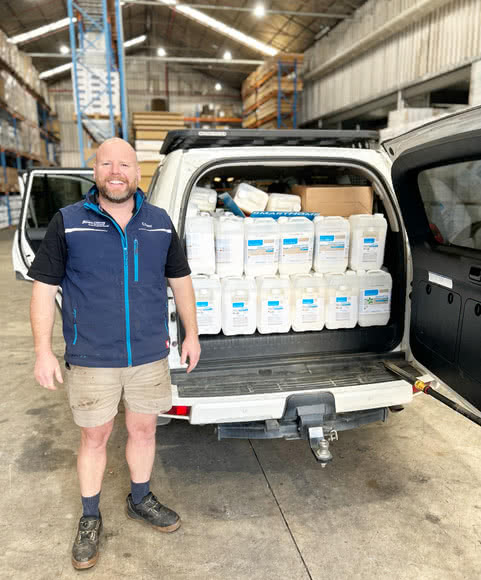
With over 25 years of experience, Clinton Tracy is a Melbourne timber flooring expert dedicated to delivering exceptional results. He and his team constantly test new products and finishes to ensure the highest quality.
Clint’s commitment to excellence includes traveling to Europe to stay updated with the latest industry trends and best practices, ensuring every project meets the highest standards.